


Navigation
Contact us
Phone
Message
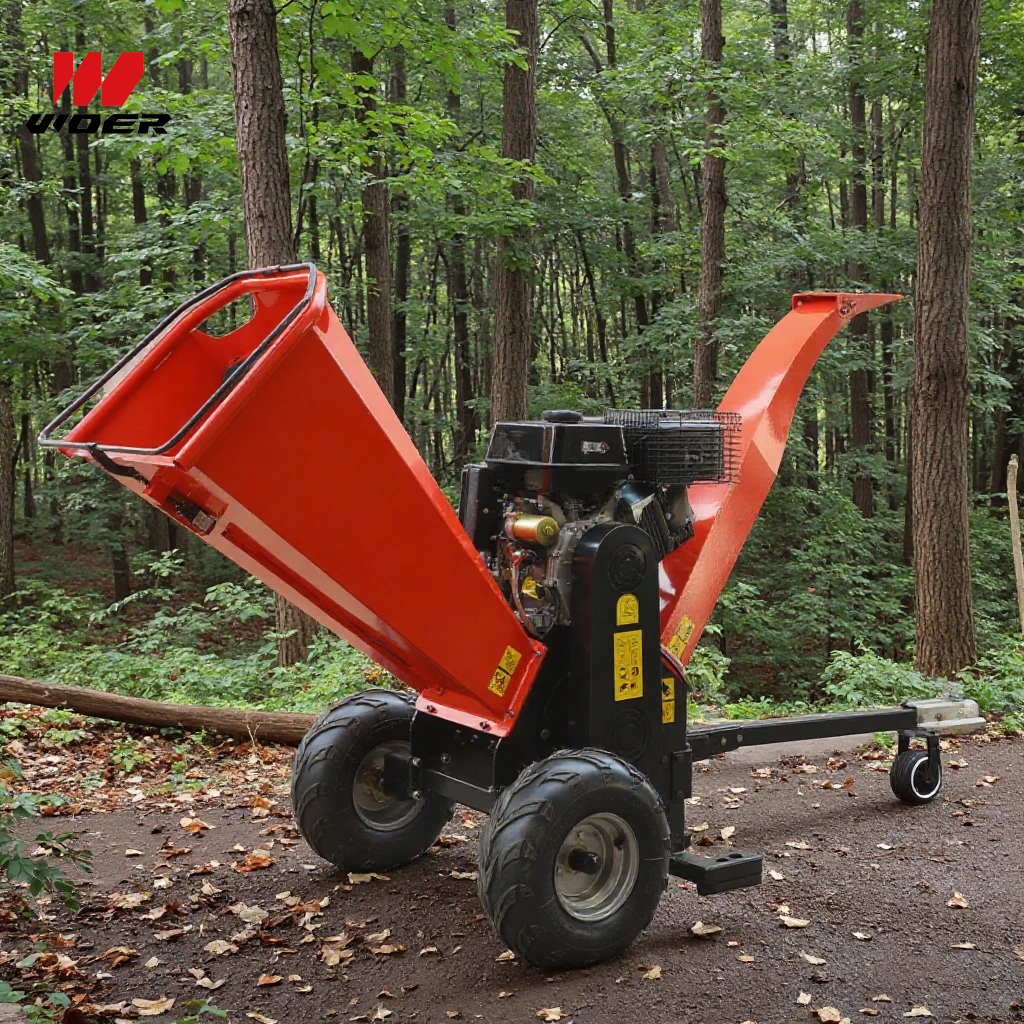
Small Wood Chipper Guide: Types, Uses & Buying Tips for Efficient
1. Power & Type: Choose Your Ideal Chipper
Hydraulic Wood Chipper
Perfect for off-grid sites (no electricity). Hydraulic systems deliver strong torque for thick branches (up to 15 cm in diameter), making it ideal for farms, mountains, or large estates.
Gas Wood Chipper
Compact and portable—suits home gardens, parks, or small properties. Handles leaves, twigs, and thin branches. Easy to start and maintain.
Diesel Wood Chipper
Heavy-duty for commercial use (forestry, orchards). High output (800–1500 kg/h for fresh branches) and durability. Works non-stop in remote areas.
Leaf Shredder Wood Chipper
Specialized for leaves, straw, and fine debris. Reduces volume by 70% or more for easy disposal or composting—essential for parks, schools, and landscaping.
Forestry Wood Chipper
Built for large-scale operations (logging sites, plantations). Processes thick trunks (up to 20 cm) into biomass fuel or mulch.
2. Core Benefits for All Users
Efficiency: Shred branches in seconds—no manual chopping.
Versatility: Process wood, bamboo, corn stalks, and more (used in papermaking, mushroom farming, or biomass energy).
Mobility: Wheel-mounted designs and trailer hitches enable easy transport across sites.
Eco-Friendly: Turn waste into mulch, fertilizer, or energy—reducing landfill use.
3. Buyers’ Guide: What to Prioritize
Capacity: Match branch diameter to the chipper’s maximum input (e.g., 10 cm for home use, 20 cm for forestry).
Blade Quality: High-speed steel blades ensure long life and consistent performance.
Safety Features: Auto-feed systems (to prevent jams) and emergency stops.
Value: Compare wood chipper sales offers—prioritize after-sales support for commercial models.
4. Maintenance for Longevity
Clean blades after each use.
Diesel models: Change oil and fuel filters quarterly.
Hydraulic chippers: Check fluid levels and hose integrity.
This stunning beach house property is a true oasis, nestled in a serene coastal community with direct access to the beach.
Contact
West Street, Melbourne Victoria 3000 Australia