


Navigation
Contact us
Phone
Message
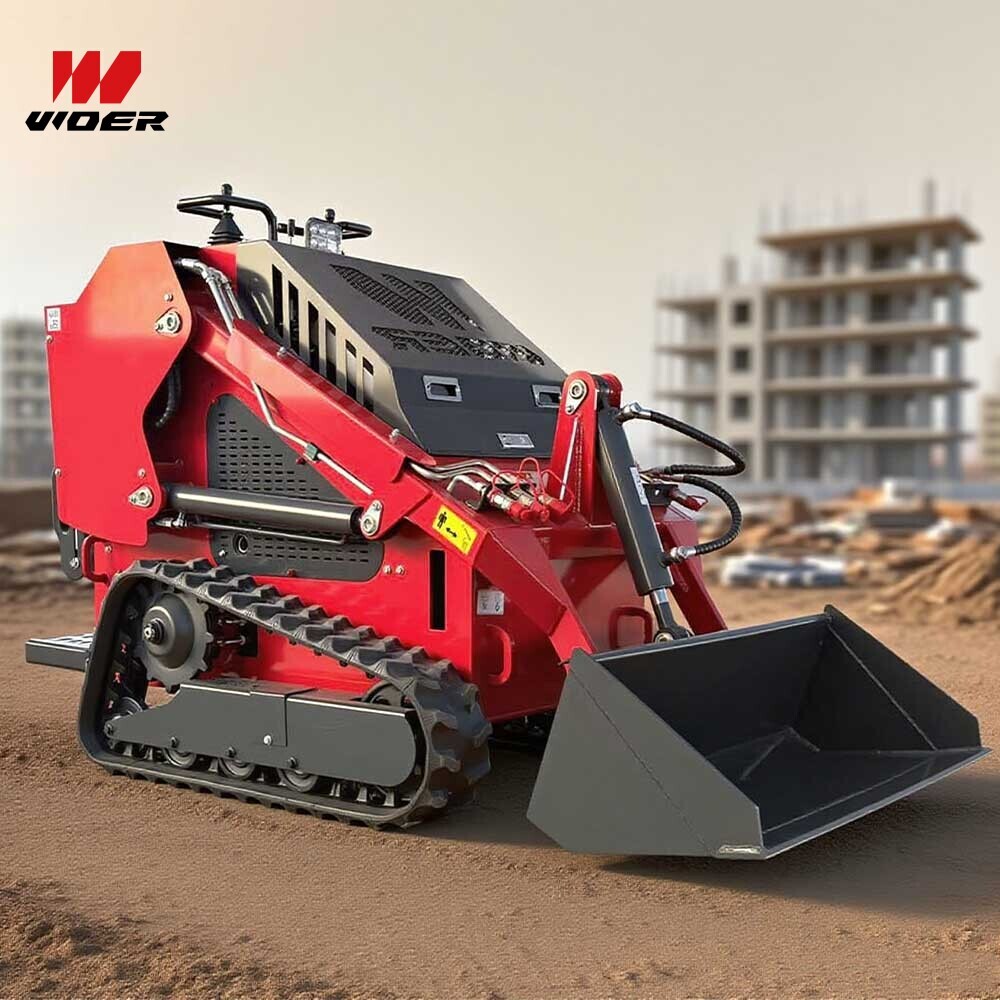
Why a Structured Safety Checklist Matters for Mini Skid Steer Front Loader Operations
Operators, supervisors and decision-makers must treat the mini skid steer front loader as mission-critical equipment. Whether you evaluate a wheel mini skid steer loader or a track mini skid steer loader, consistent use of a safety checklist lowers incident rates, extends component life, and provides auditable maintenance history useful for financial approvers and contract executors. This document integrates operator-level guidance with procurement considerations—linking field practice to equipment selection and total cost of ownership.
Pre-Operation Inspection: Hands-On Checklist
Before every shift, walk around the machine and verify these items. This section applies to diesel mini tracked skid loader, mini skid steer loader with track and wheel variants.
Quick Pre-Start Walkaround
Open the engine compartment. Check for rodent nests, loose wiring, or oil pooling. Inspect hydraulic fittings for seepage. Verify that attachments and quick couplers are properly engaged. For contract managers, document any deviations and tag units needing repair to avoid liability.
Operator Personal Protective Equipment (PPE) and Ergonomics
Operators should wear high-visibility clothing, safety boots, gloves, and hearing protection where necessary. Always fasten the seat belt and ensure the ROPS is in place; these simple steps dramatically reduce injury severity during tip-overs. Ergonomics matter: adjust the seat and controls to avoid fatigue, which directly affects precision when handling delicate loads such as timber or work near the wood chipper area.
In-Use Safety: Load Handling, Visibility and Attachments
Maintain awareness of load center and rated capacity. Mini skid steer front loader models vary: some prioritize compact dimensions for confined sites, others—like compact skid loader variants—offer higher lift heights. Do not exceed the rated capacity of skid steer loader equipment or use makeshift counterweights.
- Keep load low while traveling and use slow travel speeds on gradients.
- When using attachments, ensure hydraulic flow and pressure match attachment requirements.
- Use spotters in congested sites and maintain 360° clearance from bystanders.
Maintenance and Service Intervals: Protecting Asset Value
Establish maintenance intervals aligned with manufacturer guidance and industry practice (referencing EN/ISO or ASTM where applicable). Regularly scheduled hydraulic oil and filter changes, track tension checks, and greasing pivot points extend component life. For fleets, maintain digital logs to support warranty claims and resale value.
Spare Parts and Supplier Considerations
Choose suppliers who can support rapid replacement of wear items—tracks, drive sprockets, and hydraulic seals. Buyers evaluating options from China or Shandong skid steer loader manufacturers should verify parts availability, lead times, and quality certification. Consider models that balance acquisition cost with lifecycle costs—this includes options for wheel mini skid steer loader or track mini skid steer loader configurations depending on terrain.
Common Operator Errors and How to Avoid Them
Operators frequently misuse attachments, ignore daily checks, or overload the bucket. Train teams on safe lifting arcs and teach the difference between a mini skid steer loader with track and a wheel mini skid steer loader—each has distinct traction and stability behaviors. Institute short practical training sessions and competency sign-offs to reduce risk.
Procurement and Evaluation: What Technical and Business Teams Need to Know
When assessing compact skid loader or diesel mini tracked skid loader options, evaluate: rated operating capacity, hydraulic flow, attachment compatibility, service network and compliance with standards. Financial approvers should model total cost of ownership: acquisition, fuel (diesel vs. electric where available), maintenance, downtime risk, and resale value. Include a clause for parts lead times and warranty responsiveness in contracts.
For instance, pairing a mini skid steer front loader with a robust forest processing setup may include specialized attachments. One solution to consider for primary wood processing needs is the integrated option of Large Industrial Hydraulic Diesel Wood Chipper Machine Forest Machinery, which complements loader operations in forestry and milling sites by reducing handling cycles and improving throughput.
Standards, Certification and EEAT Considerations
Demand CE, ISO or relevant local certifications and verify test reports. Reference ASTM and EN standards for lifting appliances and hydraulic systems when preparing safety and procurement documentation. Demonstrate Experience and Expertise by documenting on-site incident reductions after checklist adoption. Authoritativeness grows when teams publish maintenance logs and training matrices; trustworthiness is reinforced by transparent service histories.
Actionable Steps: Implementing This Checklist Today
- Adopt the pre-operation table and require operator sign-off each shift.
- Schedule quarterly training and competency checks for all operators.
- Standardize spare parts inventory for tracks, belts and hydraulic filters to minimize downtime.
- In procurement RFQs, require vendor service-level commitments and regional parts stocking information.
Why Choose Us / How to Contact
Our team specializes in matching operational needs with proven compact skid loader solutions and proven maintenance programs. We support technical evaluation, procurement justification and on-site operator training to maximize uptime and safety. For procurement or to request a quotation, contact our sales team with machine specifications and site conditions; we will provide tailored options including track and wheel configurations, and discuss compatibility with existing skid steer loader equipment.
Adopting a disciplined mini skid steer front loader safety checklist protects people, machines and profit. Implement these steps to strengthen on-site safety culture and make better-informed procurement decisions aligned with operational reality.
This stunning beach house property is a true oasis, nestled in a serene coastal community with direct access to the beach.
Contact
West Street, Melbourne Victoria 3000 Australia